Best IVF Management Software in 2026: Fertility Clinic Automation & Evaluation Guide

Running an IVF clinic brings unique operational demands. Patient emotional stakes are high, and clinical timelines are rigid. Providers must balance compassionate care with complex cycle logistics.
The Unique Bottlenecks in Fertility Care
Fertility care requires strict timing, precise medications, and frequent clinic checkups. This creates three critical bottlenecks:
- Complex Scheduling: Cycle monitoring requires visits on precise cycle days, often with minimal advance notice.
- Patient Anxiety & Query Overload: Expecting parents have urgent questions, leading to busy front desks and packed phone lines.
- Strict Medication Protocols: Missing an injection or confusing a dose can compromise an entire cycle.
How ReyanLabs Transforms IVF Operations
Clinics need smart automation to handle administrative tasks while preserving a warm human touch. Here is how ReyanLabs helps:
1. Automated, Empathetic Communication
Patients no longer need to wait on hold for basic questions. ReyanLabs automates routine FAQs over WhatsApp. This frees your clinical staff to focus on sensitive, in-depth patient care.
2. Precision Scheduling and Reminders
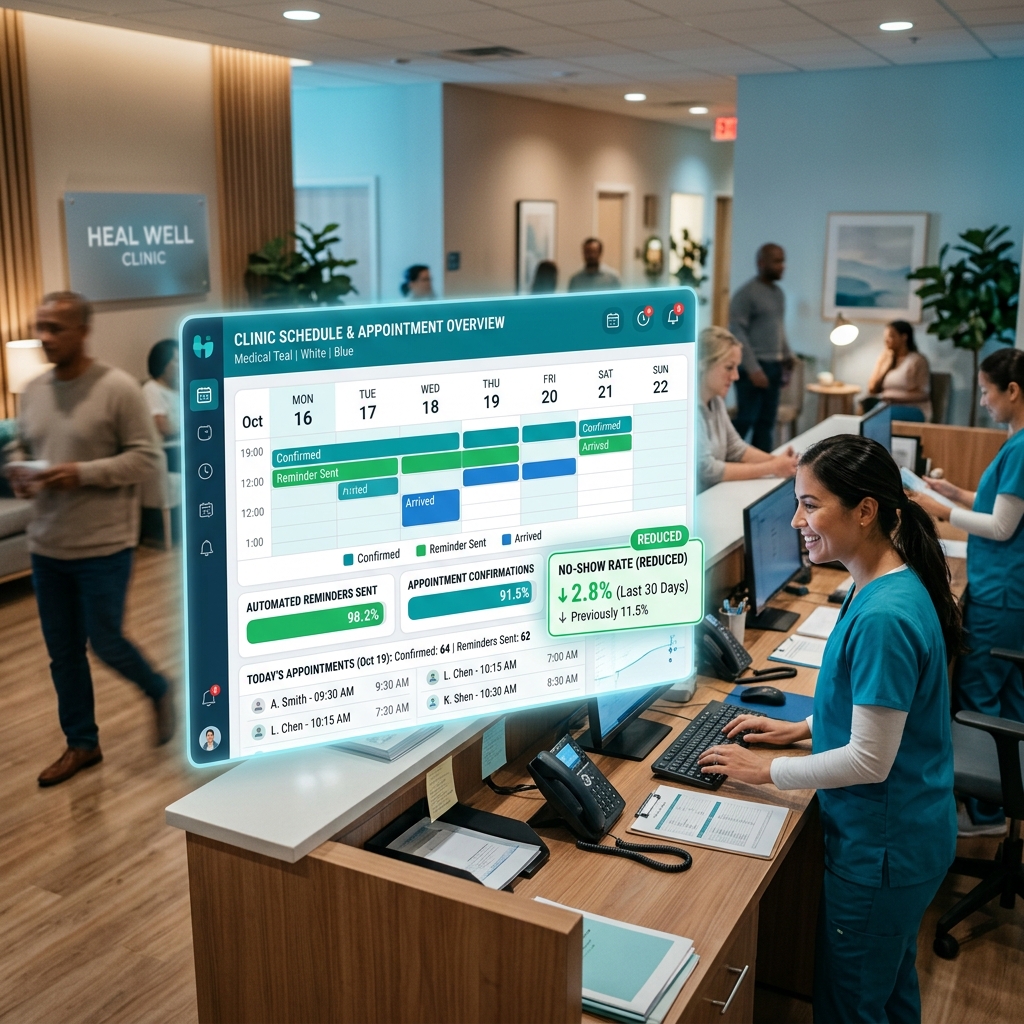
Our system manages cycle-monitoring calendars automatically. Timed alerts ensure patients attend ultrasound scans on time. Smart scheduling also fills cancelled slots immediately.
3. Medication Adherence Tracking
ReyanLabs sends step-by-step medication guides and timed injection reminders. For critical medications like HCG triggers, automated alerts help prevent costly mistakes.
4. A Branded, Long-Term Patient Companion
Fertility care is a long-term journey. To support patients through each cycle, ReyanLabs provides a White-Label Clinic App. Patients can track treatment milestones, review lab reports, and message care teams under your brand.
How to Evaluate the Best IVF Management Software in 2026
In 2026, choosing fertility clinic software requires more than a standard EHR. Practices need cycle-level records, couple-linked charts, and regulatory reporting. Consider these 7 key criteria:
1. Cycle-Level Records & Treatment History Management
Standard EHRs treat appointments as isolated visits. Dedicated fertility software groups care by cycle type—such as Fresh IVF, Frozen Embryo Transfer, or Egg Freezing. Each cycle maintains a clear timeline of ultrasound scans, trigger times, egg retrievals, and outcomes.
2. Stimulation Monitoring & Folliculometry Support
Staff must record millimeter follicle measurements across both ovaries quickly. The platform should link these scans with daily hormone doses and blood work (E2, P4).
3. Patient Engagement & Minute-Critical Trigger Reminders
Prompt messaging is vital for clinical success. Choose software that sends exact trigger shot reminders with one-tap confirmations. Direct WhatsApp alerts help avoid missed doses.
4. Couple-Linked Charting & Fertility CRM
Fertility treatment involves two partners managed as a shared unit. The system should link partner profiles, joint consent forms, and shared billing packages while keeping separate diagnostic records.
5. Embryology & Cryo Specimen Data Boundaries
Clarify software scope early. Verify whether the tool tracks cryo-storage inventory (tanks, canisters, and straws) or connects directly with external lab witnessing systems.
6. Cloud-Native Architecture vs. Legacy Desktop Systems
Modern practices benefit from cloud access on tablets, laptops, and clinic desktops. This avoids expensive local servers and maintenance while maintaining HIPAA and GDPR security.
7. National Regulatory Reporting (e.g. India ART Act 2021)
For clinics in India, ensure the system exports registry data compliant with the ICMR National ART and Surrogacy Registry under the ART Act 2021.
Explore ReyanLabs Fertility Solutions
If you operate a fertility clinic, explore our dedicated tools on the ReyanLabs IVF Clinic Solutions page, or browse communication workflows in our Specialty Workflows for Gynaecology.
Conclusion
Choosing IVF software in 2026 comes down to clinical accuracy, automation, and patient trust. Streamlining routine admin tasks helps clinics focus on higher success rates and happier patients.