Patient Follow-Up Automation: How Clinics Automate Post-Care, Recalls & Prevent No-Shows
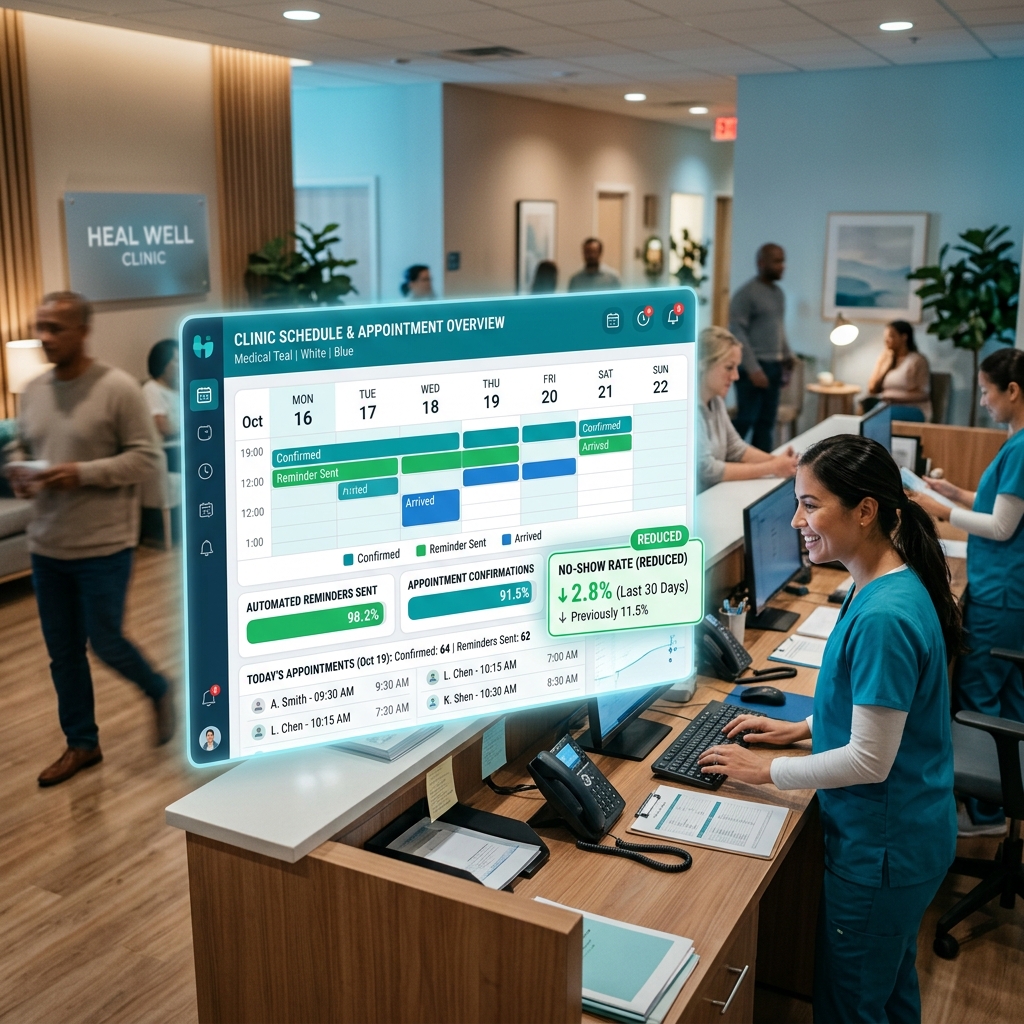
Patient follow-up automation is transforming modern healthcare operations. In traditional clinics, front-desk staff lose hours every day playing manual phone tag to confirm bookings, check on recovering patients, or remind chronic cases to return for lab reviews. Automated patient follow-up replaces this manual friction with intelligent, multi-channel clinical workflows that improve care adherence, protect practice revenue, and virtually eliminate missed appointments.
What is Patient Follow-Up Automation?
Patient follow-up automation is the systematic deployment of software workflows that trigger timely, personalized communications across channels like WhatsApp, SMS, email, and interactive voice agents based on clinical milestones.
Rather than treating patient communication as a one-time transactional message, automated follow-up systems maintain care continuity across the complete patient journey—from pre-visit appointment confirmations to post-discharge symptom monitoring, medication compliance checks, and multi-month recall calendars.
The 4 Essential Automated Follow-Up Sequences Every Clinic Needs
Top-performing clinics and healthcare networks deploy four foundational patient follow-up automation workflows:
1. Pre-Visit Confirmation & Smart Rescheduling (Stopping No-Shows)
Every empty chair represents delayed patient care and direct revenue leakage—often costing an outpatient practice between $100,000 and $150,000 per doctor annually. Automated follow-up workflows engage patients 48 hours and 24 hours prior to their appointment on WhatsApp or SMS:
- One-Tap Confirmation: Patients reply "1" to confirm or "2" to reschedule directly within the chat.
- Dynamic Waitlist Backfilling: When a cancellation occurs, the system automatically scans your cancellation waitlist and offers the vacated slot to pending patients in real time, recovering over 75% of otherwise lost revenue.
- Pre-Visit Preparation: Dispatches vital fasting instructions, medical history intake questionnaires, and clinic location maps.
2. Post-Consultation & Recovery Monitoring (Days 1, 3, and 7)
Care doesn't end when the patient steps out of the consultation room. Automated recovery follow-ups track recovery trajectories at clinical intervals:
- Day 1 Check-In: Verifies the patient collected their prescribed medications and understands their dosage instructions.
- Day 3 Recovery Assessment: Asks conversational questions regarding symptom improvement, pain levels (1–10 VAS scale), or surgical dressing status.
- Day 7 Review: Prompts the patient to schedule their formal follow-up review or submit progress photos for wound evaluation.
3. Diagnostic Lab & Imaging Result Review
One of the biggest drop-off points in outpatient medicine occurs between ordering diagnostic tests and reviewing the results. Automated follow-up triggers connect directly to laboratory information systems (LIS):
- As soon as pathology or radiology reports are uploaded, the patient receives a notification with an encrypted download link.
- The system prompts the patient: "Your blood tests are ready. Dr. Sharma recommends booking a 10-minute follow-up consultation to discuss next steps."
- Provides an instant 1-click booking link, ensuring diagnostic abnormalities are never overlooked.
4. Long-Term Chronic Care Recalls & Preventative Health
Patients with chronic conditions (such as diabetes, hypertension, or thyroid disorders) frequently default on routine quarterly testing. Automated recall workflows re-engage patients based on clinical recall rules:
- 3-Month recall for HbA1c glucose monitoring in diabetic patients.
- 6-Month dental prophylaxis, scaling, and alignment check-ups.
- Annual mammogram, Pap smear, and cardiac wellness health-screening invitations.
Automated Patient Follow-Up vs. Manual Front-Desk Calling
| Workflow Metric | Manual Phone Calls | Automated Patient Follow-Up (ReyanLabs) |
|---|---|---|
| Reach & Open Rate | 15% – 25% (voicemail & unknown numbers ignored) | 98% Open Rate on WhatsApp & Two-Way SMS |
| Staff Time Required | 3 to 5 hours daily per front-desk receptionist | Zero staff effort; 100% automated triggers |
| Patient Response Rate | Low (requires calling clinic during work hours) | Over 65% interactive response rate in minutes |
| Emergency Triage Detection | Delayed until next manual phone shift | Sub-minute escalation for reported red-flag symptoms |
| No-Show Reduction | Minimal (5% – 10% decrease) | Up to 41% reduction with smart calendar sync |
Specialty Follow-Up Automation in Practice
Different medical specialties require distinct follow-up cadences. Here is how leading clinics configure automated follow-ups in ReyanLabs:
- Orthopedics: Automates postoperative wound inspection requests, range-of-motion video physical therapy reminders, and validated PROMs questionnaires (KOOS/HOOS).
- Cardiology: Triggers weekly blood pressure logs, antiplatelet medication compliance alerts, and annual Holter monitor reminders.
- Oncology: Delivers daily neutropenic fever screening during Days 7–12 post-chemotherapy, instantly escalating fever > 100.4°F to the on-call triage team.
- Dental Clinics: Sends automated 6-month hygiene recall invitations, post-extraction swelling advice, and treatment estimate follow-ups.
- Pediatrics: Tracks age-based immunization schedules and sends automated vaccination milestone reminders to parents.
Clinical Safety: Intelligent Escalation Protocols
A common concern among clinical directors is safety: What happens if a patient reports severe symptoms during an automated follow-up?
ReyanLabs features medical-grade keyword detection and conversational AI triage. If a patient indicates acute pain, shortness of breath, high fever, or unexpected bleeding, the workflow immediately:
- Instructs the patient on emergency steps and local emergency room contacts.
- Flags the patient's record in the clinical workspace with a high-priority red alert.
- Dispatches a priority notification to the on-call doctor or duty nurse, bridging automation with human clinical oversight within 60 seconds.
How to Implement Patient Follow-Up Automation in Your Practice
Transitioning to automated patient follow-ups does not require replacing your existing EMR. With ReyanLabs Patient Engagement Platform, clinics connect their appointment calendar and clinical records via standard HL7/FHIR APIs.
By automating routine pre-visit reminders, post-treatment recovery surveys, and preventive recall campaigns via WhatsApp patient communication, practices reduce administrative costs, recover lost revenues, and deliver the proactive care modern patients expect.