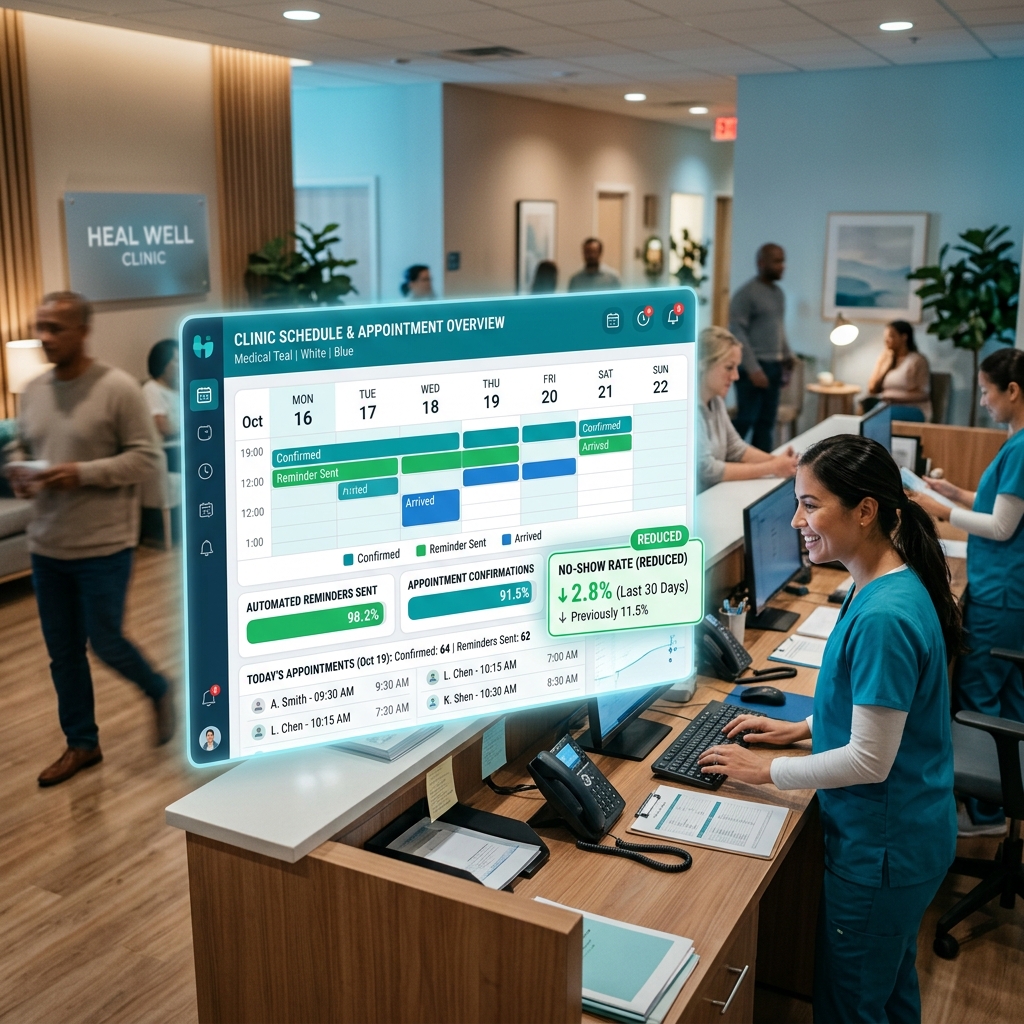
The Lifeline of Healthcare: Why Patient-Doctor Communication Matters

In the fast-paced world of modern healthcare, the profound connection between a patient and their doctor can sometimes feel lost in translation. However, effective communication remains the absolute cornerstone of quality care, directly influencing patient satisfaction, adherence to treatment plans, and ultimately, health outcomes.
The Power of Being Heard
When patients step into a clinic or hospital, they are often anxious, vulnerable, and seeking reassurance. A doctor who actively listens, explains diagnoses clearly, and involves the patient in shared decision-making builds a foundation of profound trust. Studies consistently show that patients who feel understood are more likely to:
- Follow prescribed medication regimens accurately.
- Disclose sensitive, yet crucial, health information.
- Experience lower anxiety and improved physiological outcomes, such as better blood pressure control.
The Modern Challenge: Time and Administrative Burden
Despite the clear benefits, doctors today are stretched thinner than ever. The average consultation time is shrinking, and physicians spend a disproportionate amount of their day navigating clunky Electronic Health Records (EHRs), documenting visits, and handling administrative red tape.
This administrative burden leads to "screen-gazing" during consultations, where the doctor is forced to interact more with the computer than the human being sitting across from them. The result is a frustrated doctor experiencing burnout and a patient feeling reduced to a checklist.
How ReyanLabs Workflows Bridge the Gap
At ReyanLabs, we believe technology should enhance the human connection in healthcare, not impede it. Our intelligent workflows are specifically designed to strip away the administrative friction, giving doctors their time—and their focus—back.
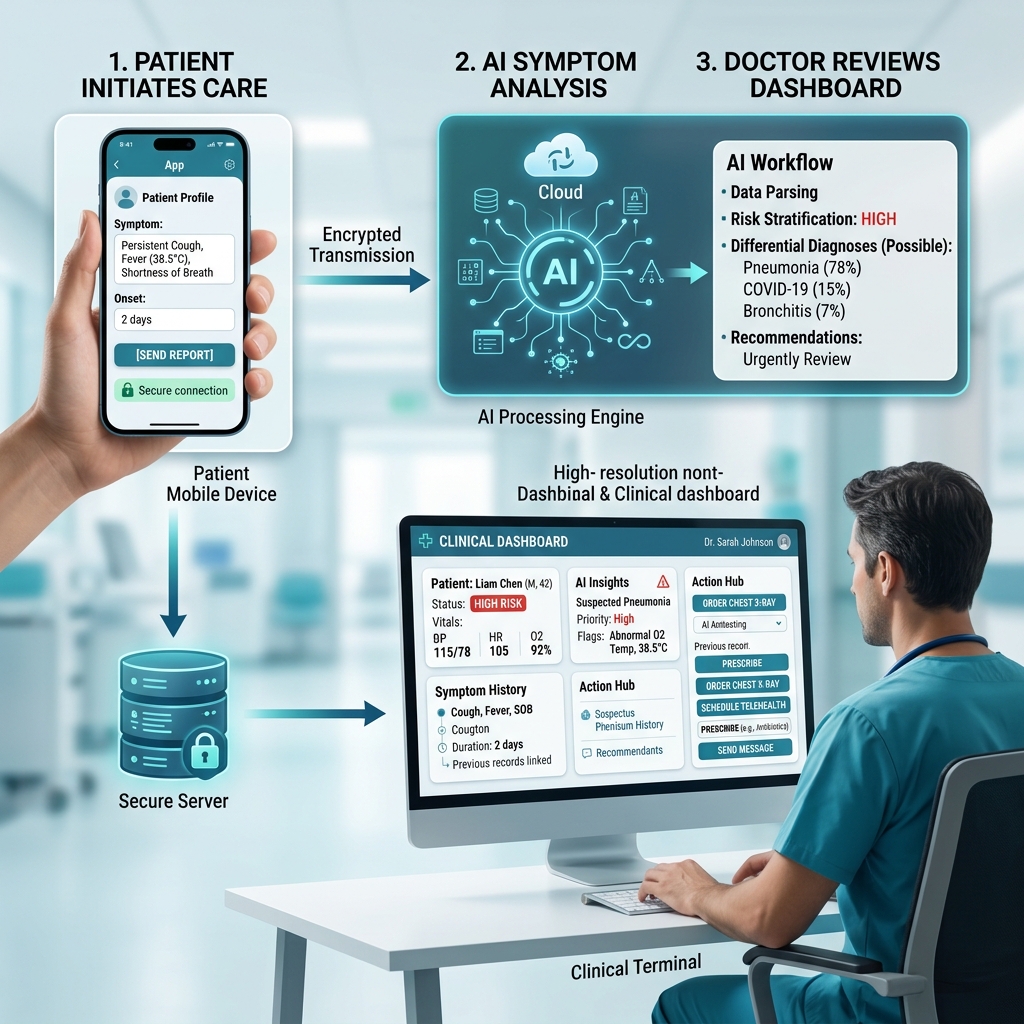
1. Pre-Visit Symptom Intake
Communication starts before the patient even enters the room. Our automated triage and symptom intake workflows engage patients via SMS or WhatsApp prior to their appointment. They can explain their symptoms in natural language, at their own pace.
By the time the consultation begins, the doctor already has a structured, AI-summarized clinical note. This means the precious consultation time isn't spent asking basic intake questions, but rather diving deeper into the patient's specific concerns and building rapport.
2. Automated Clinical Documentation
Our AI-driven dictation and ambient listening tools allow doctors to simply converse with their patients. The system captures the dialogue and automatically generates accurate, structured clinical notes in the background. Doctors can look their patients in the eye, listen actively, and let ReyanLabs handle the documentation.
3. Proactive Post-Visit Follow-Ups
The communication loop shouldn't close the moment the patient leaves the clinic. ReyanLabs workflows automate personalized post-visit follow-ups to check on recovery progress, answer common FAQs, and send medication reminders. If a patient flags a worsening symptom, the system intelligently routes the concern to the care team, ensuring no patient falls through the cracks.
Conclusion
Technology in healthcare is not about replacing the doctor; it's about amplifying their capabilities and removing the barriers that prevent them from connecting with their patients. By streamlining operations and automating the mundane, ReyanLabs empowers healthcare providers to return to the heart of medicine: human-centric care fueled by clear, empathetic communication.